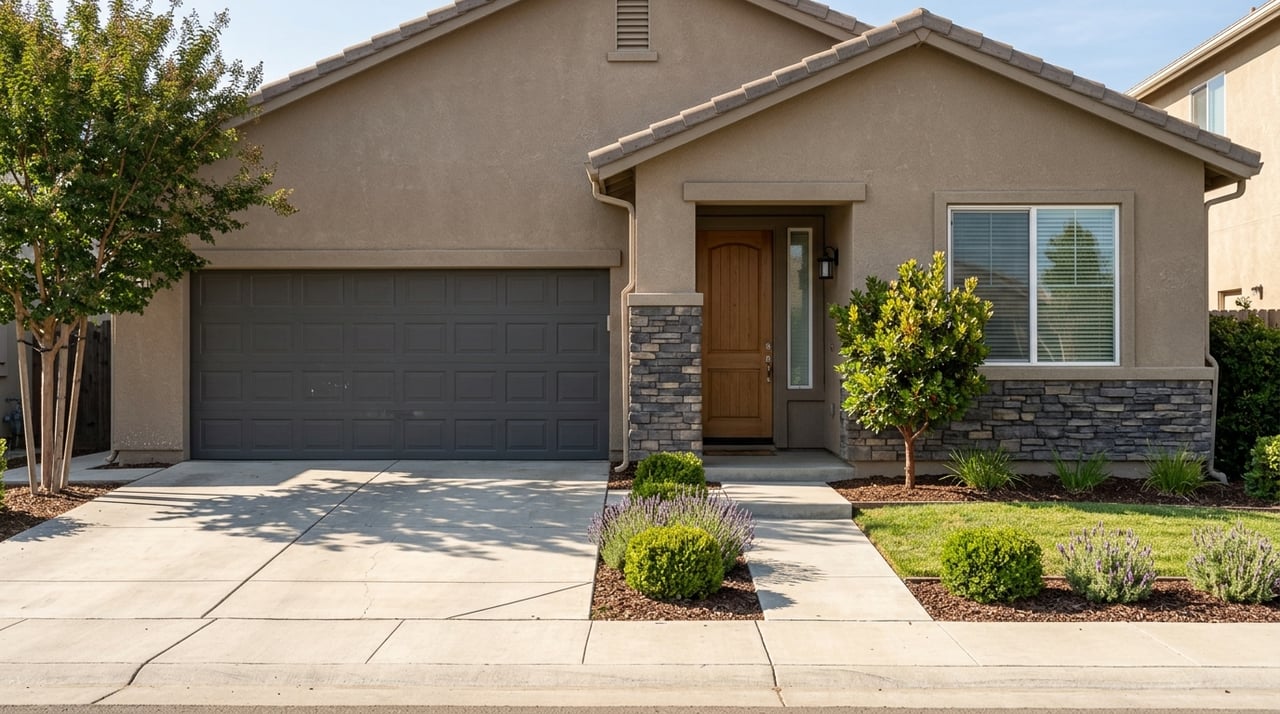
Getting Started Investing In Roseville Single-Family Homes
July 16, 2026
July 16, 2026
If you have been thinking about buying an investment property in Roseville, you are not alone. Single-family homes here attract attention because they fit the needs of many households who want suburban space with access to the wider Sacramento region. The good news is that you do not need to guess your way through the process. With the right numbers, local context, and a clear plan, you can evaluate whether a Roseville rental makes sense for you. Let’s dive in.
Roseville stands out as a practical housing market, not just a speculative one. Census QuickFacts reports an owner-occupied housing rate of 68.8% and a median household income of $119,288, which points to a city with a strong base of residents who live and work in the area.
It also works well for commuters. Census Reporter shows a mean travel time to work of 27.3 minutes, and city transit service connects Roseville to downtown Sacramento along with local and regional transit systems. For investors, that matters because many renters are looking for a home that balances suburban living with regional access.
The sales market is still competitive, but it is not simply a straight-line appreciation story. Redfin reports a median sale price of $634,620, about four offers on average, and roughly 20 days on market. Zillow reports a typical home value of $650,792 and median days to pending of 12, while also showing values down 1.1% over the past year.
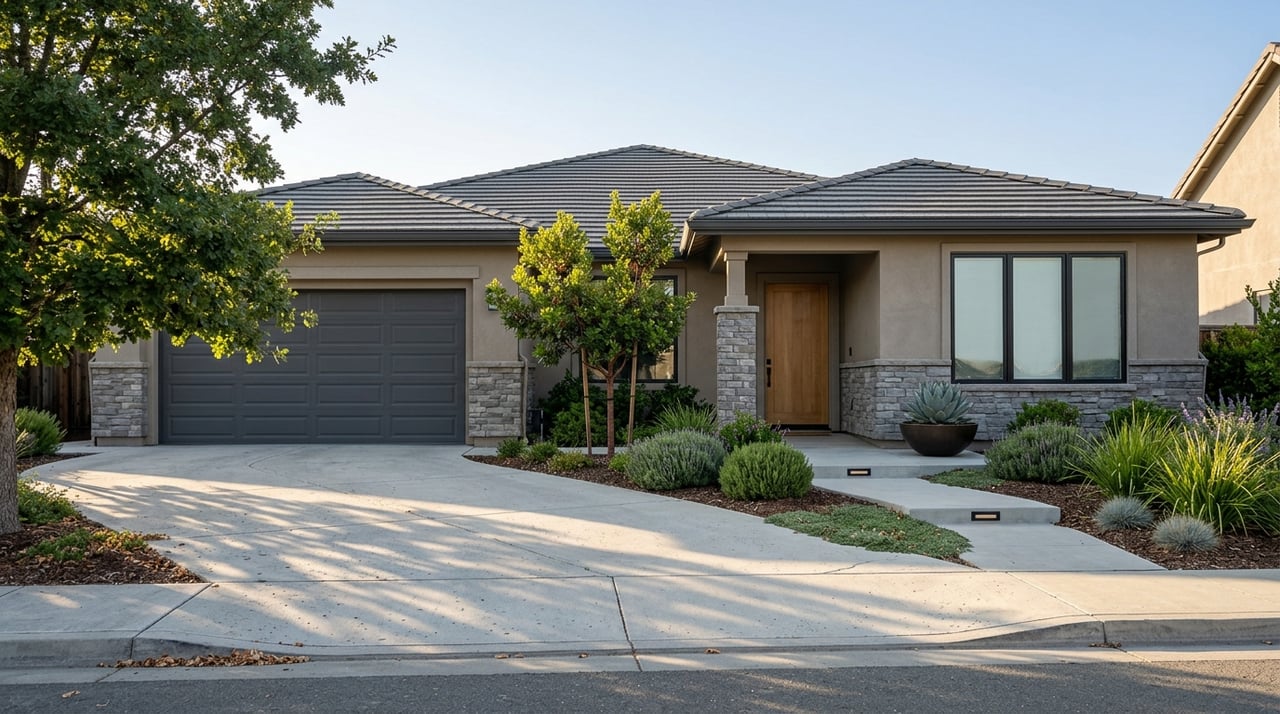
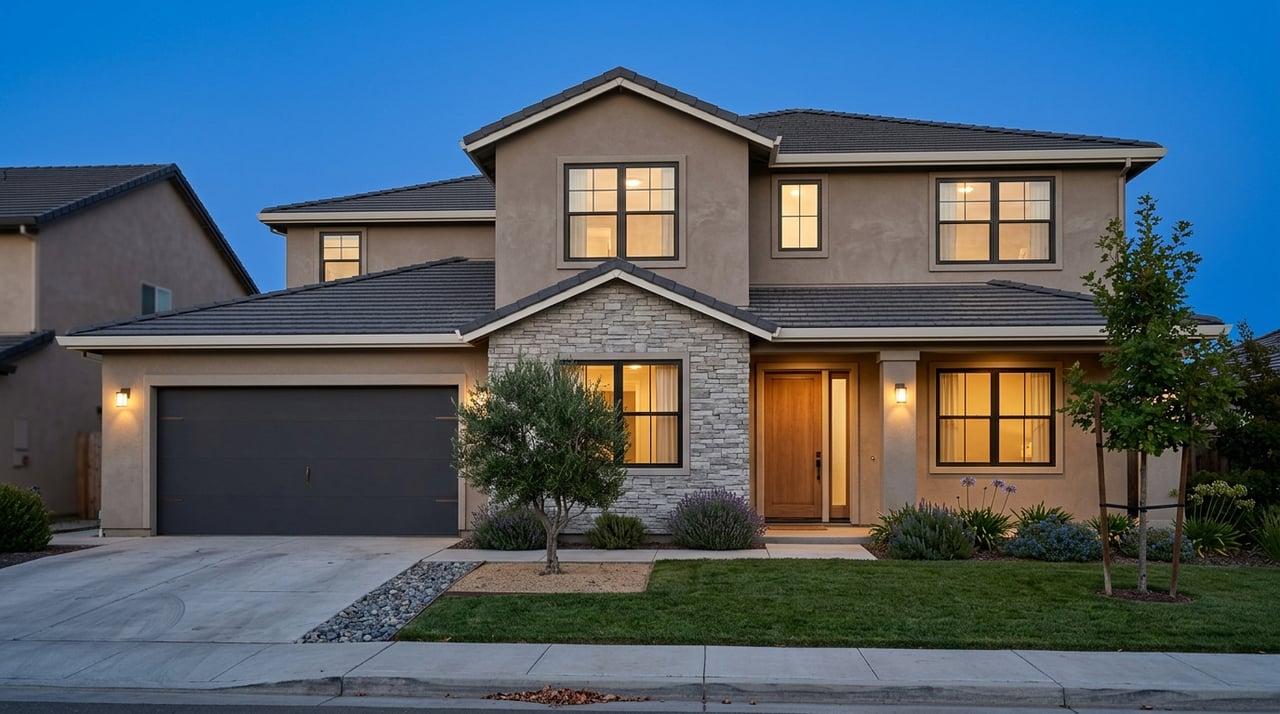
Roseville is a strong single-family home market by design. The city’s housing element says 76.4% of housing units are single-family homes, compared with 22.9% multifamily and 0.7% mobile homes. That means your first investment search will likely focus on detached homes rather than small multifamily properties.
The city’s planning framework also shows some variety. Low-density residential areas are generally intended for detached homes, while medium-density areas may include smaller-lot detached homes, duplexes, halfplexes, townhomes, and other attached housing types. In practice, most first-time investors will still spend most of their time comparing detached suburban homes.
Current pricing tends to cluster in the low-to-mid $600,000s. Zillow shows a typical home value of $650,792, a median sale price of $627,000, and a median list price of $650,465.
That citywide number only tells part of the story. Zillow neighborhood data shows values ranging from about $589,485 in Foothills Junction to about $788,588 in Pleasant Grove. For you as an investor, that spread is important because a higher purchase price does not always mean the rent will rise at the same pace.
When you first underwrite a Roseville property, you need a starting point for rent. Zillow’s rental manager data shows an average rent of $2,695 across all bedroom counts and property types, with 264 active rentals and a warm market temperature.
That is a helpful anchor, but it should not be your final answer. Rent will vary based on the home’s exact location, condition, bed and bath count, layout, and overall appeal. A citywide average helps you begin, but a property-level analysis is what helps you decide.
A good first investment is usually built on careful screening, not excitement alone. Before you make an offer, focus on a few practical categories.
Start by comparing the likely monthly rent to the purchase price. In a market where home values are often around the mid-$600,000s and average rent is around $2,695, your margins may be tighter than in lower-cost markets.
That does not automatically make Roseville a poor investment. It means you need to be disciplined about your down payment, financing terms, insurance, taxes, maintenance, and vacancy assumptions.
Vacancy matters, but context matters too. Roseville’s 2021 Housing Element, based on 2014 to 2018 ACS data, reports a 6.6% rental vacancy rate and notes that 5% to 6% is generally considered optimal.
More recent Zillow rental data showing 264 active rentals and a warm market suggests there is still active tenant demand. Even so, you should build a realistic vacancy allowance into your numbers rather than assuming the home will always be occupied.
Older homes can offer opportunity, but they can also bring more repair exposure. Roseville’s housing element says about 22.2% of the housing stock was built before 1980, and 8.7% was built before 1960.
The city also notes that older neighborhoods built before 1980 are concentrated in the south central area. That does not mean you should avoid these homes. It means you should budget for inspections, repairs, and ongoing reserves more carefully.
The city’s code-enforcement FAQ highlights illegal or non-permitted room additions and garage conversions as common issues. If you are looking at an older home or a house with converted space, confirm that the improvements were properly permitted.
A layout that looks attractive on paper can become a risk if part of the home does not meet local requirements. This is one area where local guidance can save you from an expensive mistake.
Roseville is not one uniform investment market. Pricing, lot size, age of housing, and likely tenant appeal can shift from one part of the city to another.
A newer tract home may offer fewer immediate repair surprises, while an older home may have a lower entry point but need more diligence. Because neighborhood values vary meaningfully across the city, your investment case should be built at the block and property level, not just from city averages.
If you are deciding between a long-term lease and a short-term rental plan, local rules matter. In Roseville, short-term rentals are more limited than many first-time investors expect.
The city requires a short-term rental permit, a business license, and monthly transient occupancy tax remittance. The home must be the owner’s primary residence, short-term rentals are limited to 180 days per year, and occupancy is capped at six guests at a time.
For many first-time investors, that makes a traditional long-term rental or an owner-occupied house hack easier to model. It is usually a more straightforward path if your goal is stable monthly income and fewer operating complications.
Statewide California rules can affect how you operate a Roseville rental. Civil Code 1947.12 generally limits annual rent increases to 5% plus CPI or 10%, whichever is lower, but certain single-family homes may be exempt if the owner is not a REIT, corporation, or qualifying LLC and the required written notice is provided.
Civil Code 1946.2 also includes exemption paths for certain qualifying single-family properties, depending on ownership structure, occupancy, and notice requirements. Because these rules depend on details, you should confirm how a specific property is classified before assuming the exemption applies.
If you want to reduce risk, keep your first purchase process simple and methodical.
A first investment property goes more smoothly when you have the right professionals in place. The research points to a few especially useful checks: a lender to test financing, a tax professional to model after-tax returns, and a property manager or attorney to review lease language, reserves, and compliance items.
A local real estate agent is also important in Roseville because values, rentability, age of homes, and permit history can change the investment story from one block to the next. That kind of local insight can help you avoid overpaying or choosing a property that looks better online than it does in real life.
In many cases, a strong first deal is not the flashiest house. It is a property with solid commuter appeal, a realistic rent range, manageable condition, and numbers that still work after you include vacancy and reserves.
In Roseville, that often means staying grounded. This market can be a good fit for investors who value stability, neighborhood demand, and long-term planning more than quick appreciation alone.
If you want help evaluating Roseville single-family homes with a practical, local lens, connect with Ridhi Sahni. You can get clear guidance, honest feedback, and support as you narrow down the right investment strategy for your goals.
Stay up to date on the latest real estate trends.
Whether you’re buying, selling, or simply exploring your options, I am here to help. Let’s embark on this journey together, turning your real estate dreams into reality. Contact me today to schedule a consultation and take the first step towards finding your perfect place to call home.
548 Gibson Dr Ste 200 Roseville, CA 95678